

What is 3003 grade aluminum?
3003 aluminum coil is currently a very widely used medium-strength aluminum-manganese (Al-Mn) alloy, belonging to the typical rust-resistant aluminum category. Its main alloying element is manganese (Mn content approximately 1.0%–1.5%), which enhances the overall performance of the material based on industrial pure aluminum, achieving a good balance between strength, corrosion resistance, and workability.
Compared with 1100 aluminum alloy, the strength of 3003 aluminum alloy is increased by about 20%, while still maintaining excellent plasticity and ductility. In the annealed state (O temper), it has outstanding forming performance, suitable for deep drawing, stretching, stamping, spinning, and rolling, among various complex processing techniques; through cold working (such as H14, H24 tempers), work hardening can be achieved, further improving strength. It should be noted that 3003 aluminum coil cannot be strengthened by heat treatment.
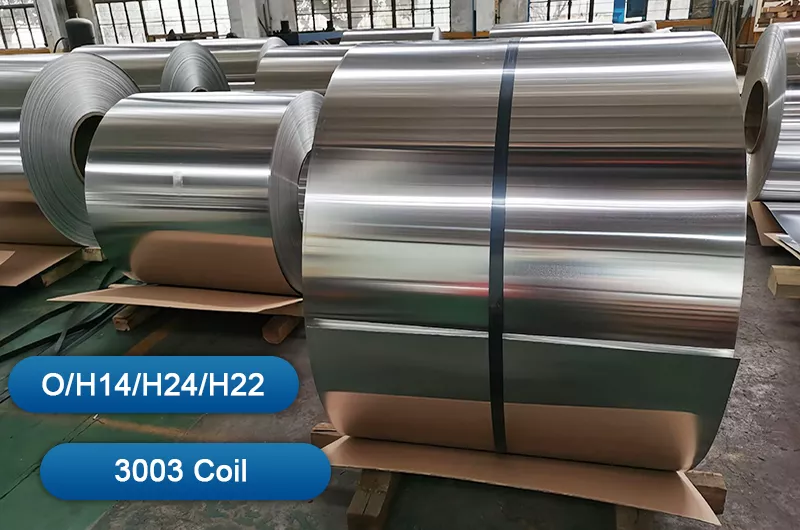
In terms of performance, 3003 aluminum coil has the following outstanding characteristics:
- Excellent corrosion resistance: especially suitable for humid or corrosive environments
- Good welding and brazing performance: suitable for various joining processes
- Excellent machinability and formability: suitable for manufacturing complex structural components
- Stable overall performance: balancing strength and workability
With these advantages, 3003 aluminum coil is widely used in multiple industry fields, including:
- Architectural decoration: roofing, curtain walls, wall panels, trim strips, awnings
- HVAC: heat exchangers, ducts, cooling systems
- Transportation and storage: fuel tanks, storage tanks, pipelines, pressure vessels
- Daily and industrial products: cookware, kitchen utensils, sheet metal parts, and chemical equipment
3003 aluminum coil is a general-purpose aluminum alloy material that combines rust resistance, workability, and cost-effectiveness, offering irreplaceable advantages in applications requiring good formability and corrosion resistance.
3003 Aluminum Coil Specifications
| Alloy | 3003 |
| Temper | O, H111, H112, H12, H22, H14, H24, H16, H26, H18, H28, H19 |
| Thickness | 0.2-12mm |
| Width | 100-2650mm |
| Length | Coil |
| Surface Treatment | Anodized, Coated, Embossed, Mirror, PE Film, Paper Interleaved, Mill finished, Natural Color |
| Equivalents of AA 3003 | UNS A93003/ISO AlMn1Cu/Aluminium 3003/AA3003/Al3003 |
| Standards | AMS-QQ-A-250/2 AMS 4008 ASTM B209, EN 573, ISO 6361, GB/T 3880 |
Typical Aluminum Coil 3003 Standards
3003 aluminum coil is available in a variety of processing tempers, such as O temper, H12, H14, H16, H18, H19, etc., capable of meeting different requirements for strength and formability.
3003 O Aluminum Coil
3003 O aluminum coil is fully annealed, soft, and highly formable, making it ideal for roof panels, wall cladding, and siding sheets in humid or coastal areas. Its excellent plasticity also suits deep-drawn kitchenware, sinks, and cookware where shaping is needed.
3003 H14 Aluminum Coil
3003 H14 aluminum coil is moderately work-hardened, balancing strength and formability. It is commonly used for air conditioning ducts, ventilation systems, and heat exchangers, as well as decorative ceiling panels and signage that require bending and shaping.
3003 H18 Aluminum Coil
3003 H18 aluminum coil is in full-hard condition, offering higher strength while maintaining corrosion resistance. It is often applied in truck panels, trailers, and marine components that need durability, and industrial equipment or storage containers where structural rigidity is important.
3003 H19 Aluminum Coil
3003 H19 aluminum coil provides slightly softer hardness than H18, with good corrosion resistance and moderate strength. It is suitable for decorative cladding, wall panels, and light transportation parts, combining ease of forming with long-term durability.
3003 H24 Aluminum Coil
3003 H24 aluminum coil is partially hard, offering a balance between strength and flexibility. It is widely used in roofing sheets, siding, and HVAC components that need shape retention and resistance to environmental corrosion.
In terms of dimensions, the thickness generally ranges from 0.017 inches to 2 inches, and the width spans from 0.25 inches to 60 inches; the length can be cut to order, with common ranges between 12 inches and 144 inches. Specific specifications can be adjusted according to actual usage scenarios to achieve a more suitable application effect.
Available Surface Finishes for 3003 Aluminum Coil
-
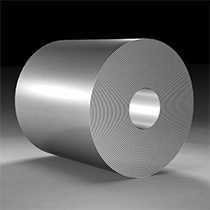 3003 Anodized Aluminum Coil
3003 Anodized Aluminum Coil offers enhanced corrosion resistance, enhanced durability, and the ability to be dyed to achieve a variety of colors. 3003 Anodized Aluminum Coil is typically used in architectural, decorative, and electronic applications where a durable and aesthetically pleasing surface is required.
-
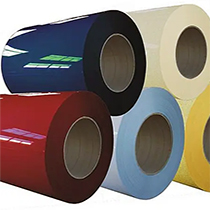 3003 Coated Aluminum Coil
Coated aluminum coil refers to the process of applying a protective coating or paint to the surface of an aluminum coil. The coating provides additional protection against corrosion, weathering, and wear while also providing aesthetic customization. 3003 Coated Aluminum Coil is widely used in building exteriors, roofs, signage, and other applications requiring durability and visual appeal.
-
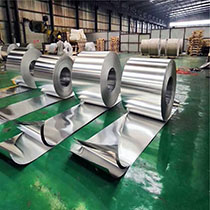 3003 Mirror Aluminum Coil
Mirror aluminum coils are produced by mechanically polishing the surface of the aluminum coil to produce a highly reflective and mirror-like finish. 3003 Mirror Aluminum Coil is typically used in decorative applications such as interior decoration, lighting fixtures, reflectors, and architectural trim where a reflective and elegant appearance is desired.
-
 3003 Embossed Aluminum Coil
Embossed aluminum coils feature patterns or textures that are mechanically embossed or engraved on the surface of the aluminum coil. This treatment enhances the aesthetic and adds texture to the material. 3003 Embossed Aluminum Coil 3003 Embossed Aluminum Coil is commonly used in applications such as refrigerator panels, decorative wall panels, furniture, and automotive trim where visual appeal and tactile experience are important.
3003 Aluminum Coil Characteristics
Excellent Rust Resistance
3003 aluminum coil is a typical aluminum-manganese alloy. Due to the addition of an appropriate amount of manganese, it exhibits outstanding corrosion resistance, especially suitable for humid environments and marine climates. Compared with 1100 pure aluminum, 3003 aluminum coil’s rust resistance is more stable and reliable, performing exceptionally well in construction, roofing, and exterior wall applications.
Moderate Strength, Balanced Performance
While maintaining good plasticity, the strength of 3003 aluminum coil is about 10% higher than 1100 aluminum coil, allowing it to balance load-bearing capacity and formability in practical applications. It is a commonly used aluminum coil material with relatively well-rounded overall performance.
Good Formability and Workability
3003 aluminum coil has excellent ductility and processing adaptability, easily handling stamping, bending, deep drawing, and other cold working processes. It is suitable for complex structural components and diversified industrial manufacturing needs.
High Surface Quality and Strong Decorative Effect
The surface of this alloy aluminum coil is smooth and flat, convenient for anodizing, painting, laminating, embossing, and other surface treatment processes. It is widely used in architectural decoration, curtain wall systems, and home appliance panels.
Lightweight with Good Thermal Conductivity
3003 aluminum coil is not only lightweight and easy to process and install, but also has good thermal conductivity. Therefore, it is often used in the manufacture of cookware, radiators, heat exchangers, and other products requiring high thermal performance.
3003 Aluminum Chemical Composition Range
| Alloy | Si | Fe | Cu | Mn | Mg | Cr | Zn | Ti | Others-Each | Others Total | Al Min |
| 3003 | 0.6 | 0.7 | 0.05-0.20 | 1.0-1.5 | – | – | – | – | 0.05 | 0.15 | Remainder |
Typical Mechanical Properties of 3003 Aluminum
| Alloy-Temper | Tensile Strength (ksi) | Yield Strength (ksi) | Elongation (%) |
| 3003-O | 16 | 6 | 30 |
| 3003-H14 | 22 | 21 | 3 |
| 3003-H18 | 29 | 27 | 3 |
3003 Aluminum Coil Applications
3003 aluminum coils can be further processed into various forms such as sheet, strip, and foil according to application requirements. It is readily available in the market and is known for its affordability and versatility.
3003 aluminum coil is widely used in various industries because of its good performance. Some common applications include:
-
Construction and Decoration:
- Cooking Utensils
- Decorative Material
- Awning
- Siding
- Furniture Parts
-
Sheet Metal Application:
- HVAC
- Hinge
- Condenser
- Heat Sink
- Evaporator
- Heat Shield
- Gutter
- Downspouts
- Roof and Siding
-
Automotive and Transportation:
- Truck and Trailer Roofs
- Pressure Vessel
- refrigerator Panel
- Tank
- Heat Exchanger
-
Electronic Product:
- Mobile Phone Battery Shell Material
- Lighting
- Air Conditioning Pipe
- Car Fuel Tank
- Tank
- Electrolytic Capacitor
-
Other Apps:
- Insulation Pipe
- Signage
- Cap Material
- Honeycomb
- Antenna Pot Material
- Silo
- Door Panel
- Battery Shell Material
- Storage Tank
3003 Roofing Aluminum Sheet Coil
3003 aluminum coils are widely used in roof panels, wall cladding, and siding sheets due to their excellent resistance to corrosion in humid and coastal environments.
3003 HVAC & Ductwork Aluminum Coil
These coils are commonly applied in air conditioning ducts, ventilation systems, and heat exchangers, offering lightweight construction and easy formability.
3003 Aluminum Coil for Kitchenware & Appliances
3003 aluminum coils are ideal for sinks, cookware, and refrigerator panels, combining good workability with corrosion resistance.
3003 Signage & Decorative Panels Aluminum Coil
This alloy is frequently used for advertising signs, ceiling panels, and decorative sheets, providing a smooth surface and excellent bendability.
3003 Aluminum Coil for Transportation
Used in truck bodies, trailers, and marine components, 3003 aluminum coils offer moderate strength while resisting rust and corrosion.
3003 Industrial Aluminum Coil
3003 aluminum coils are suitable for chemical tanks, storage containers, and industrial equipment where corrosion resistance is critical.
-
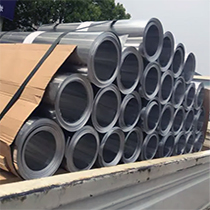 3003 Thermal Insulation Aluminum Coil
3003 aluminum coil has good impact resistance, and corrosion resistance, is not easy to break and leak, and has excellent waterproof, heat preservation, and barrier properties. Therefore, the 3003 aluminum coil can be used in heat preservation pipelines.
-
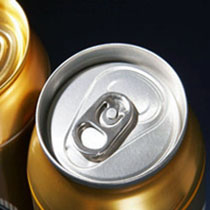 3003 Aluminum Coil for Bottle Cap Material
3003 aluminum coil has high plasticity, good welding performance, corrosion resistance, easy processing and forming, and good deep drawing performance, which can well meet the needs of bottle cap material users.
-
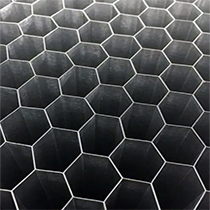 3003 h19 Honeycomb Aluminum Coil
3003h19 honeycomb aluminum coil is lighter in weight and higher in strength. It is suitable for civil buildings, vehicle and ship decoration, curtain wall decoration, interior wall decoration, ceiling decoration, and special shape decoration of modern buildings.
-
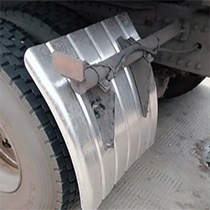 3003 Aluminum Coil for Truck Fender
Aluminum alloy fenders are usually pressed with 3003-h24 aluminum alloy. The automobile fenders made of 3003 aluminum coils are light in weight, and the oxide film formed on the aluminum surface prevents the fenders from rusting, thus ensuring a longer service life.
-
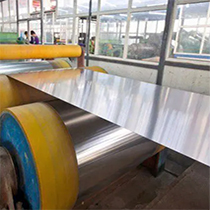 3003 Aluminum Coil for Transformer Shell
The 3003 aluminum coil used for the transformer shell has a beautiful appearance, better corrosion resistance, and better thermal conductivity than steel, so the heat dissipation performance is better. Moreover, it is a non-magnetic material, and no eddy current will be generated in its structure, which will lead to additional loss and heat generation.
-
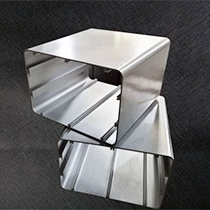 3003 Aluminum Coil Power Battery Shell
The power battery casing made of 3003 aluminum alloy has the characteristics of impact resistance, not easy to crack and leak and can meet the strength and rigidity requirements of the power battery casing.
More Information About Aluminum Coil 3003
3003 Cold Rolled CC Aluminum Coil
3003 cold rolled CC aluminum coil is a 3003 aluminum-manganese anti-rust alloy produced by the continuous casting and rolling (CC) process, and then processed through cold rolling into coil form. It features excellent corrosion resistance, formability, and weldability. It is a non-heat-treatable alloy, and its temper can be adjusted through cold rolling and annealing. With high production efficiency, economical cost, and a full range of thickness specifications, it is widely used in architectural decoration, HVAC and refrigeration, packaging containers, transportation, and electronic and electrical fields.
What to weld 3003 aluminum with?
For welding 3003 aluminum coil, ER4043 aluminum-silicon welding wire is the preferred choice, offering good versatility, excellent fluidity, and strong resistance to hot cracking. It is suitable for TIG (argon arc welding) and MIG (gas shielded welding). When higher requirements are needed for weld strength, color, and consistency with the base material, ER3003 matching welding wire can be used. Both are the most commonly used welding materials for 3003 aluminum.
Advantages and Disadvantages of 3003 Aluminum Coil
Advantages
- Excellent weldability, compatible with various welding processes, with stable weld quality
- Outstanding corrosion resistance, not easy to rust in daily environments, with longer service life
- Good formability, easy to perform bending, stamping, and stretching processes
- Moderate strength, meeting most conventional structural application requirements
Disadvantages
- Cannot be strengthened by heat treatment, and its strength cannot be further improved through heat treatment
- Average ductility, not suitable for complex forming processes involving large deformation and high stretching
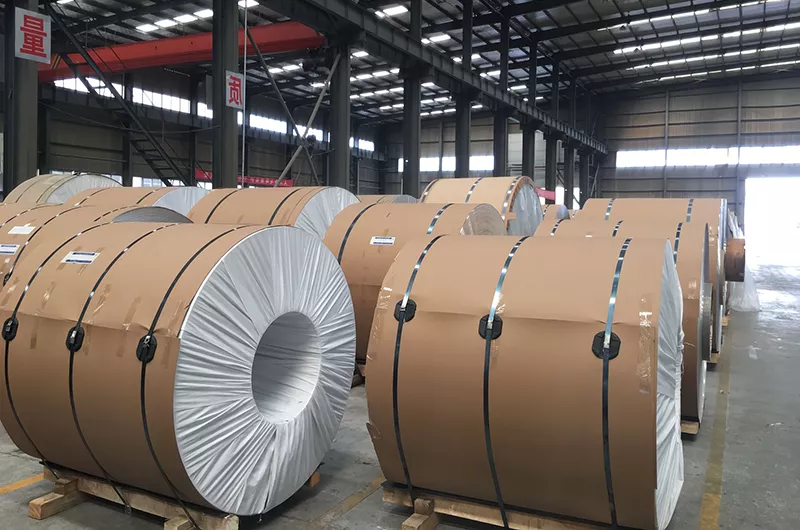
Packing of 3003 Aluminum Coil
3003 Aluminum Coil FAQ’s
Can 3003 aluminum coil be anodized?
Yes, it can undergo natural color anodizing (film thickness generally 5–10 μm), which can slightly improve corrosion resistance. However, as it is an aluminum-manganese alloy, manganese affects the formation of the oxide film. Its adhesion, uniformity, and corrosion resistance are far inferior to pure aluminum (1060/1050). It cannot achieve colored anodizing and is generally only used in industrial anti-corrosion scenarios with low surface requirements. If not necessary, passivation or coating is more recommended than anodizing.
Is 3003 aluminum used in automobile manufacturing?
Yes, but only for non-structural automotive components. It mainly relies on its corrosion resistance, cold workability, and weldability. Since it cannot be strengthened by heat treatment, its strength is insufficient for structural body parts. Main application areas include:
- Cooling systems: radiator cores, condenser plates, cooling air ducts
- Interior components: dashboard brackets, door inner panels, trunk linings
- Auxiliary parts: fuel tank linings, chassis anti-corrosion plates, engine compartment ventilation ducts, various small sheet metal brackets
What is the difference between 3003 and 6061 aluminum?
3003 is an aluminum-manganese anti-rust alloy that can only be strengthened by cold working. It has lower strength but better plasticity, weldability, and corrosion resistance, with relatively poor anodizing performance. It is suitable for low-strength, corrosion-resistant, and welded components.
6061 is an aluminum-magnesium-silicon heat-treatable alloy. After T6 treatment, its strength is much higher than 3003. It has good machinability and anodizing performance and can achieve colored anodizing. However, its weldability and corrosion resistance are slightly weaker, and stress relief is required after welding. It is mainly used for high-strength structural components.
What is the difference between 3003 and 6063 aluminum?
3003 is an aluminum-manganese anti-rust alloy strengthened by cold working. Its plasticity, weldability, and corrosion resistance are better than 6063. It can only achieve thin natural anodized films and is suitable for industrial anti-corrosion, cold forming, and welded parts.
6063 is an aluminum-magnesium-silicon heat-treatable alloy. Its strength is slightly higher than 3003, with excellent extrusion performance and anodizing quality, allowing for colored anodizing. It requires slight stress relief after welding and is mainly used for architectural decorative extrusions.
Related Resources
-
3003 Aluminum Coil for Bottle Cap Material
3003 aluminum coils are widely used in the manufacture of bottle cap materials due to their various superior properties, which meet the high requirements for formability, corrosion resistance and lightweight.
-
Car and Truck Fender 3003-H24 Aluminum Coil
Making fenders from 3003-H24 aluminum coils helps improve vehicle performance, reduce maintenance costs, and has certain environmental advantages.
-
3003 Aluminum Coil: Lighting, Interior Decoration
3003 aluminum coils are widely used in lighting and interior decoration fields due to their superior formability, corrosion resistance and lightweight properties. It can be used to make a variety of products, including lamps, decorative panels, ceilings, and more.
-
3003 anti-corrosion thermal insulation aluminum coil
3003 thermal insulation aluminum coil is also called anti-rust aluminum coil, and its strength is about 10% higher than 1100. 3003 thermal insulation aluminum coil is mainly used in pipes, building roofs and walls as insulation materials, etc.
-
3003 aluminum coil for transformer shell
3003 aluminum coil for transformer shell has good thermal conductivity and heat dissipation performance. It is a non-magnetic material and will not generate eddy currents in its structure, causing additional losses and heat generation.